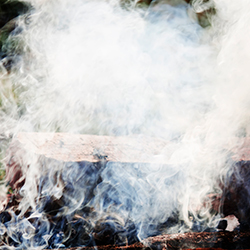
 A fireplace can look perfectly normal from the living room. The brick may look clean, the mantel may be decorated, and the firebox may seem ready for another cold evening. Yet some of the most important fireplace issues are not always visible from inside the home. For many homeowners, one of the most overlooked reasons to schedule Beachwood fireplace service is airflow.
Most people think about soot, creosote, chimney caps, or cracked masonry when they think about fireplace maintenance. Those issues matter, but airflow plays a major role in how safely and efficiently a fireplace operates. If air cannot move the way it should, a fireplace can smoke, draft poorly, smell bad, waste heat, or create conditions that should never be ignored.
For homeowners in Beachwood, NJ, where coastal weather, seasonal temperature swings, and older homes are all part of the local landscape, fireplace performance can change over time. A fireplace that worked well years ago may not behave the same way today.
Fireplaces Depend the Chimney and More
A fireplace is part of a larger system. It depends on the chimney, the flue, the firebox, the damper, the surrounding structure, and the air inside the home. When everything works together, smoke and combustion gases move up and out of the chimney. When something disrupts that process, the fireplace may struggle to draft properly.
Many homeowners assume the chimney alone controls draft. In reality, the house itself can affect the fireplace. Modern upgrades, sealed windows, new insulation, exhaust fans, and HVAC systems can all change how air moves indoors. A home that has become more airtight may not allow enough replacement air into the room when the fireplace is burning.
That can cause the fireplace to pull air from odd places or send smoke back into the living area. This is one reason professional Beachwood fireplace service should look beyond surface appearance. A proper service visit considers how the fireplace is functioning, not just how it looks.
The Problem with Negative Pressure
One issue homeowners rarely think about is negative pressure. This happens when the air pressure inside the home becomes lower than the air pressure outside. When that occurs, the house can pull air down the chimney instead of allowing smoke to rise naturally.
Several common household features can contribute to this problem. Kitchen range hoods, bathroom exhaust fans, clothes dryers, attic fans, and tightly sealed windows may all affect indoor air pressure. When these systems run while the fireplace is in use, they can compete with the chimney. The result may be smoke entering the room, a sluggish fire, or lingering odors after the fire has gone out. Some homeowners blame the wood, the weather, or the fireplace design, but the real issue may involve airflow balance inside the home.
That is why fireplace service should never be treated as a quick glance with a flashlight. Baron’s Chimney Service can inspect the fireplace and chimney system to help identify problems that may affect draft, safety, and performance.
Signs Your Fireplace May Have an Airflow Issue
Airflow problems do not always show up as dramatic smoke pouring into the room. Sometimes the warning signs are more subtle. A homeowner may notice that the fire is hard to start, even with dry wood. Smoke may drift forward when the fireplace doors open. The room may smell smoky on damp days. The damper may be open, but the fireplace still may not pull properly.
Other signs include black staining above the firebox, unusual odors near the hearth, or a fire that never seems to burn evenly. If the fireplace only works well when a nearby window is cracked open, it may suggest the home needs more makeup air for proper fireplace operation.
These symptoms deserve attention. A fireplace should not require guesswork every time it is used. Scheduling Beachwood fireplace service gives homeowners a chance to understand what is happening before the issue becomes more serious.
Coastal Conditions Can Add to the Problem
Beachwood homeowners deal with conditions that can be tough on exterior chimney components. Moisture, wind, salt air, storms, and freeze-thaw cycles can affect masonry, chimney caps, crowns, flashing, and dampers. Even small exterior issues can influence how well a fireplace drafts.
A damaged chimney cap may allow rain, debris, or animals into the flue. A deteriorating crown may let water seep into the chimney structure. A stuck or poorly sealed damper may affect airflow even when the fireplace is not in use. Over time, these problems can combine with indoor pressure issues and create a fireplace that performs poorly.
Regular service helps catch these concerns early. Instead of waiting until smoke enters the home or odors become constant, homeowners can take a preventive approach.
Fireplace Odors Often Point to Bigger Issues
Many homeowners notice fireplace odors during humid weather and assume it is just part of owning a fireplace. While some odor may be common in certain conditions, strong or recurring smells can point to creosote buildup, moisture problems, poor draft, animal debris, or airflow reversal.
When air moves down the chimney instead of up, it can carry chimney odors into the home. This is especially noticeable during warm, humid days or when air conditioning changes indoor pressure. The smell may seem like an annoyance, but it can signal that the fireplace system needs attention.
A professional fireplace service can help determine whether the odor comes from buildup, moisture intrusion, draft problems, or another cause. That kind of inspection is far more useful than masking the smell with candles or air fresheners.
Homeowners Should Schedule Beachwood Fireplace Service
Many people wait until the first cold night to think about their fireplace. By then, appointments may be harder to schedule, and problems may become urgent. A smarter approach is to schedule fireplace service before the heating season begins.
Early service gives homeowners time to address draft concerns, cleaning needs, masonry issues, chimney cap problems, damper trouble, or other maintenance items. It also provides peace of mind before the fireplace becomes part of the weekly routine.
For Beachwood homes, this is especially important after months of storms, humidity, wind, and seasonal debris. A fireplace that sat unused through spring and summer should be checked before regular use returns.

Choose Baron’s Chimney Service for Beachwood Fireplace Service
Baron’s Chimney Service helps homeowners understand the condition of their fireplace and chimney system. From visible maintenance concerns to hidden airflow issues, a professional evaluation can reveal problems that homeowners may not know to look for.
If your fireplace smokes, smells, drafts poorly, or simply has not been serviced recently, now is the right time to act. Do not assume that a fireplace is ready just because it looks clean from the room. The most important issues often happen where homeowners cannot see them.
For dependable Beachwood fireplace service, contact Baron’s Chimney Service. A safer, cleaner, better-performing fireplace starts with knowing what is happening inside the system.